
Frequently Asked Questions!

Cultivating Regenerative Culture and ʻĀina Stewardship
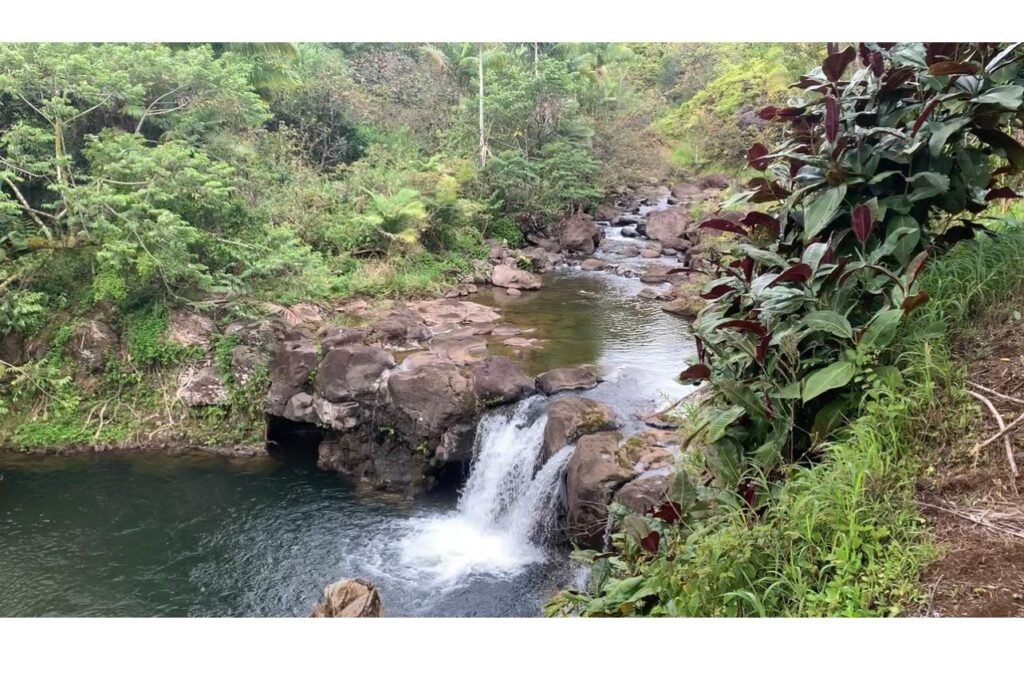
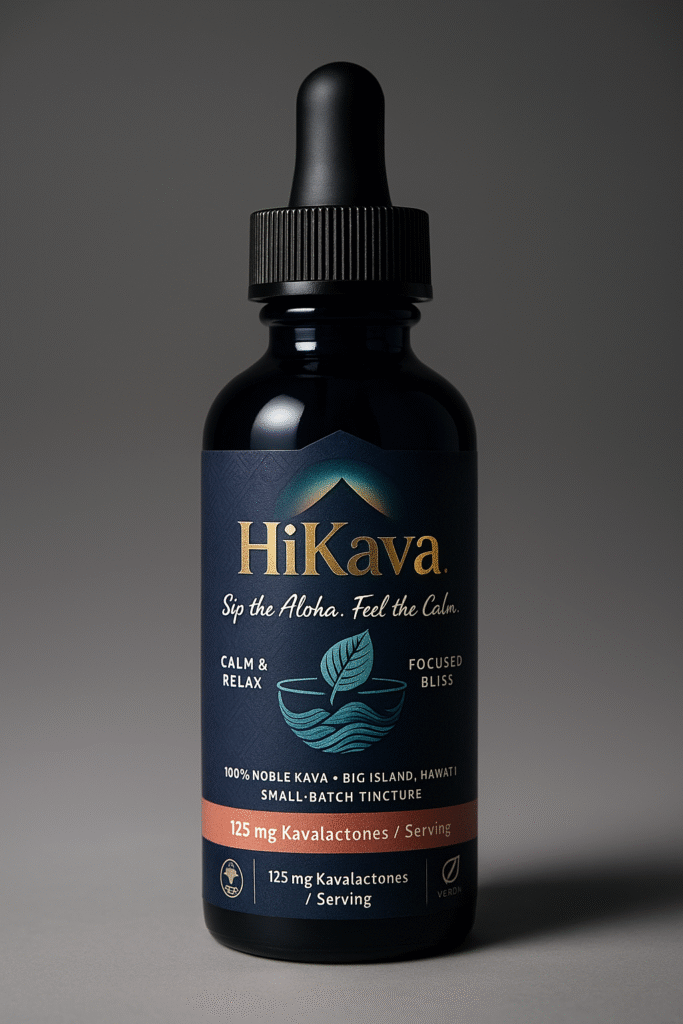
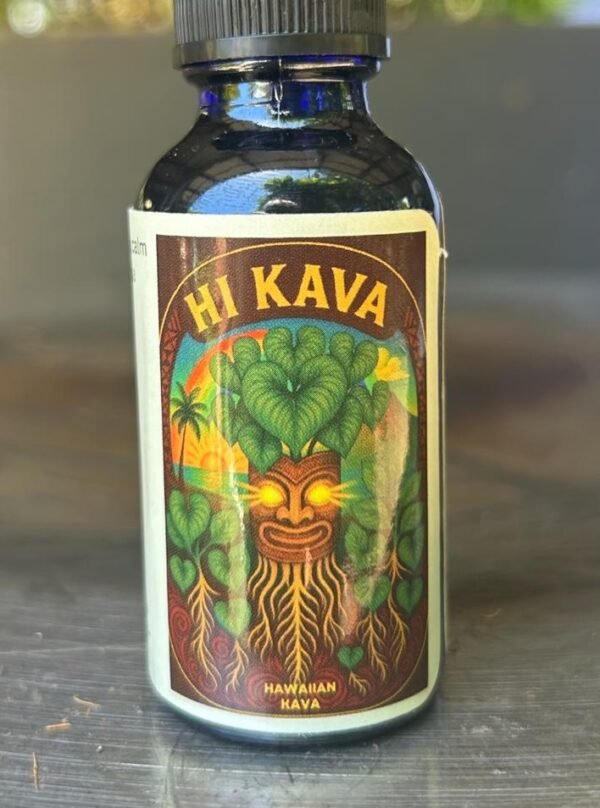
Anchored on Hawaiʻi Island’s east side, HiKava weaves together ancestral Polynesian heritage and modern regenerative agriculture. It honors kava (‘awa) as one of the canoe plants carried by early Polynesian voyagers, and applies ancient Hawaiian land ethics (ahupuaʻa) to contemporary farming. By rebuilding agroforestry systems with canoe plants like breadfruit, noni, and kalo alongside kava, the mission is to restore pono (balance) in soil, biodiversity, and culture. These practices reflect Hawaiʻi’s traditional model of stewardship: mālama ʻāina (care for the land) and aloha ʻāina (love of land) that guide resource use. In every product, HiKava fosters an opportunity to restore our ancestral connection to the land.
Regenerative Agriculture & Agroforestry
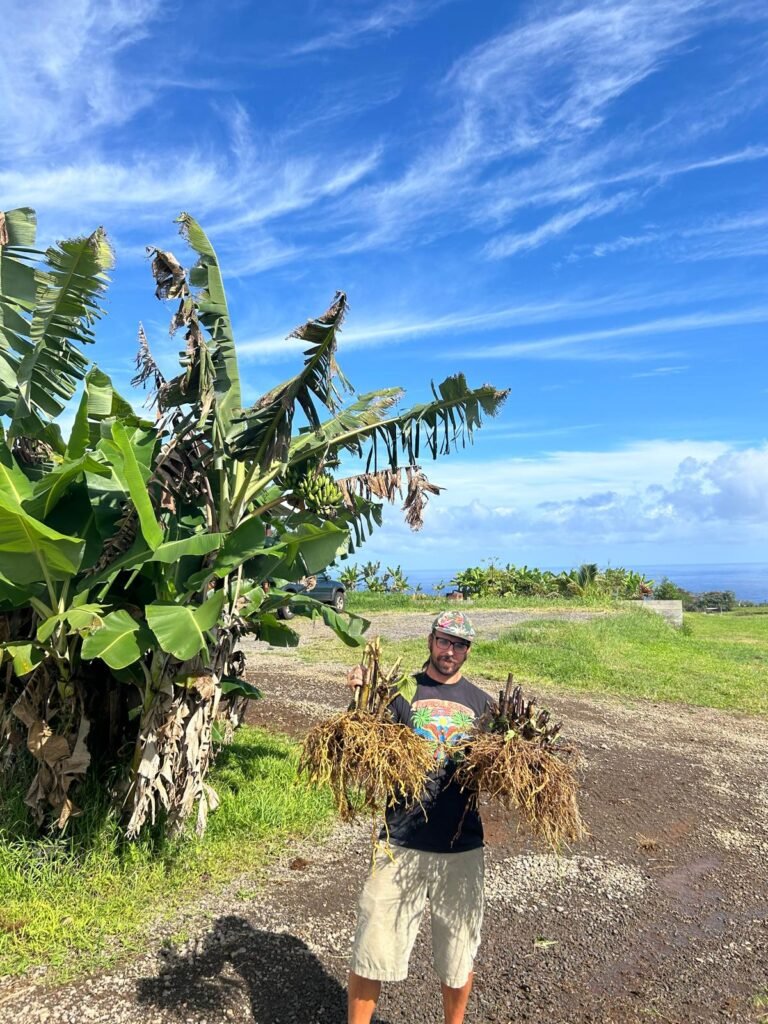
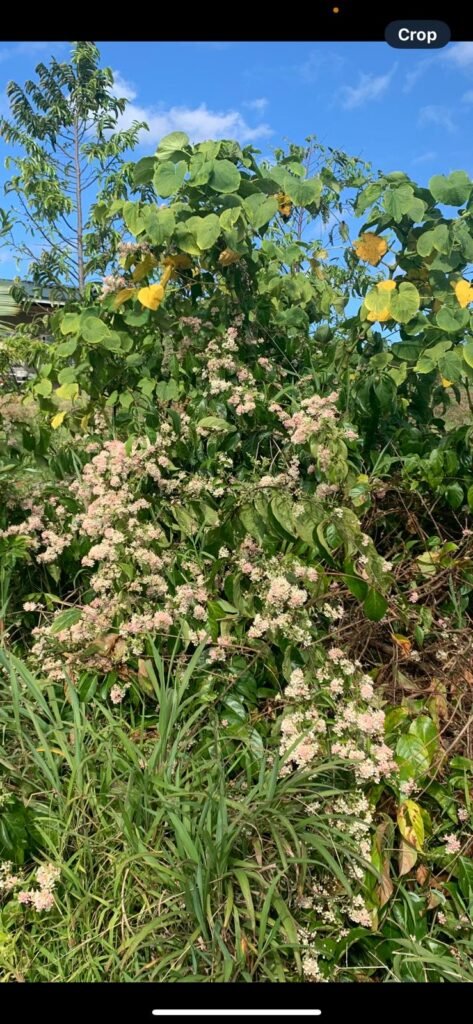
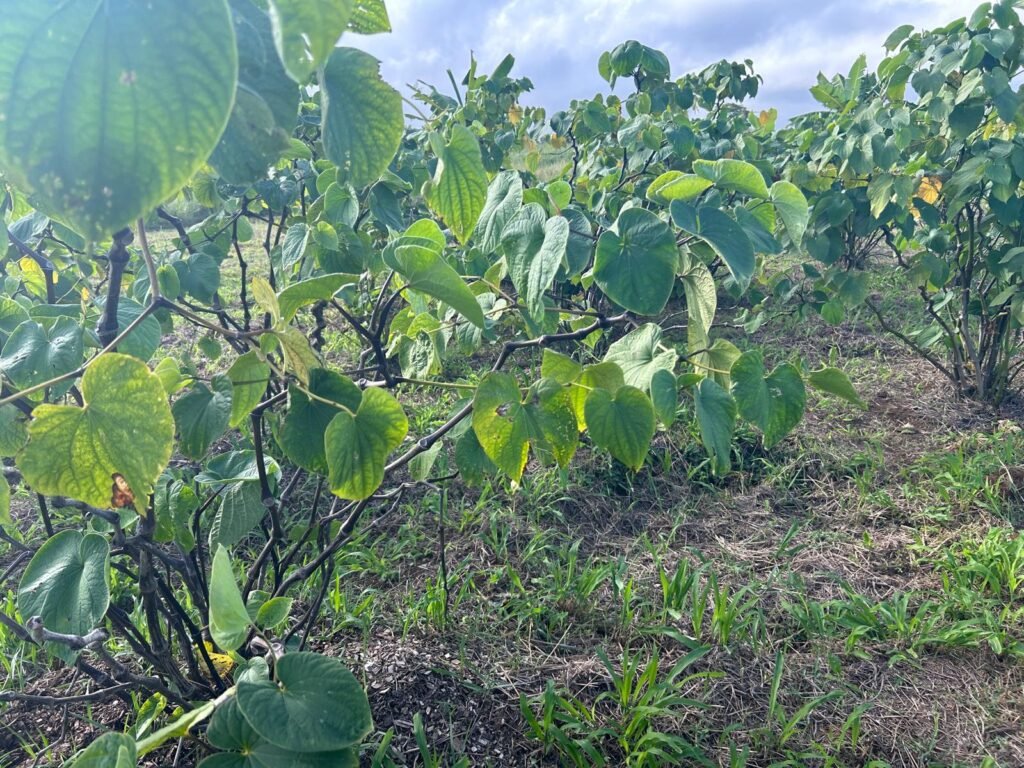
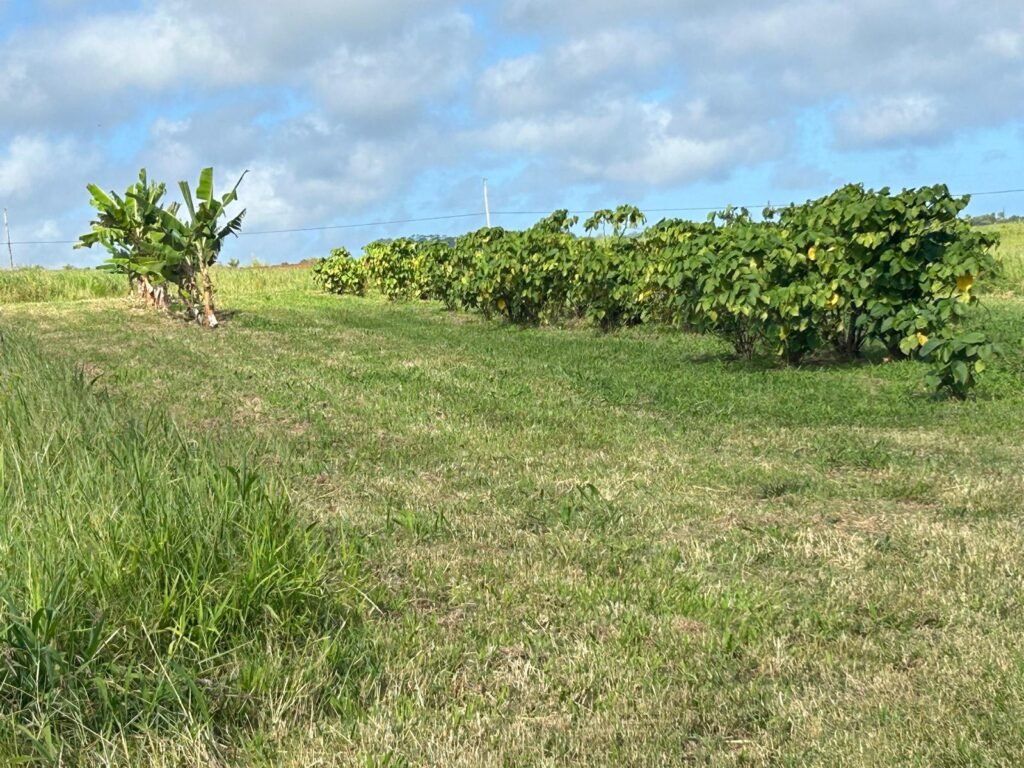
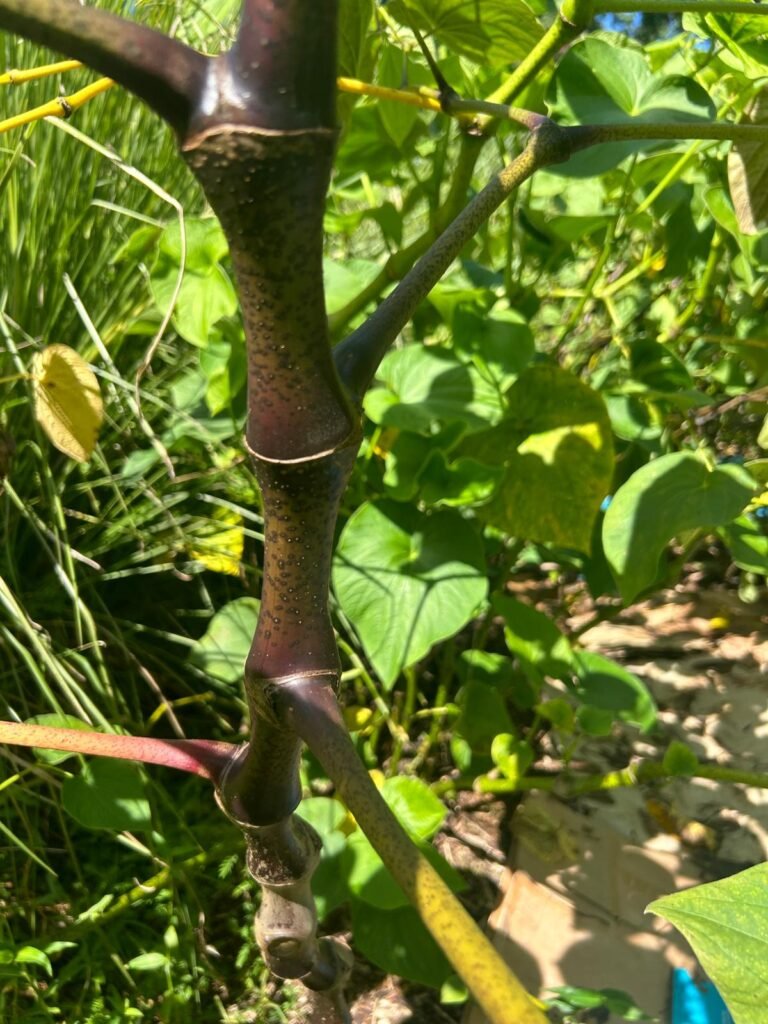
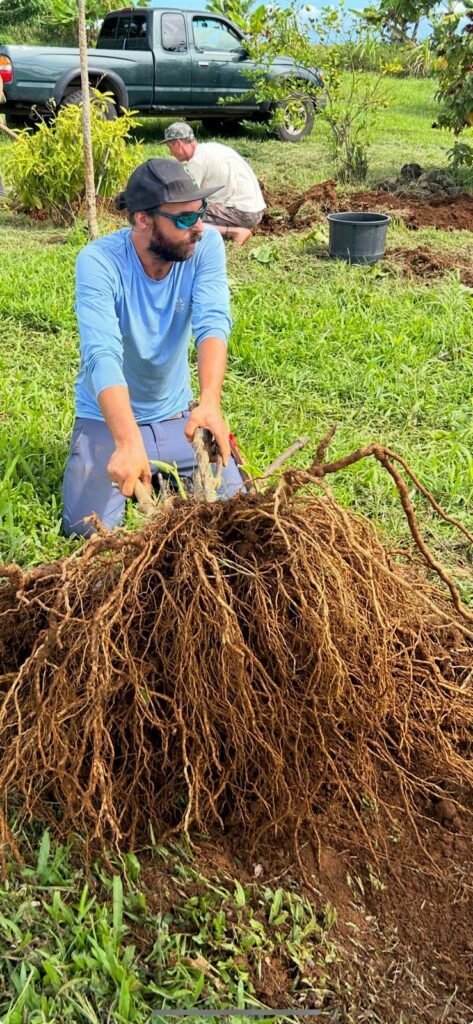
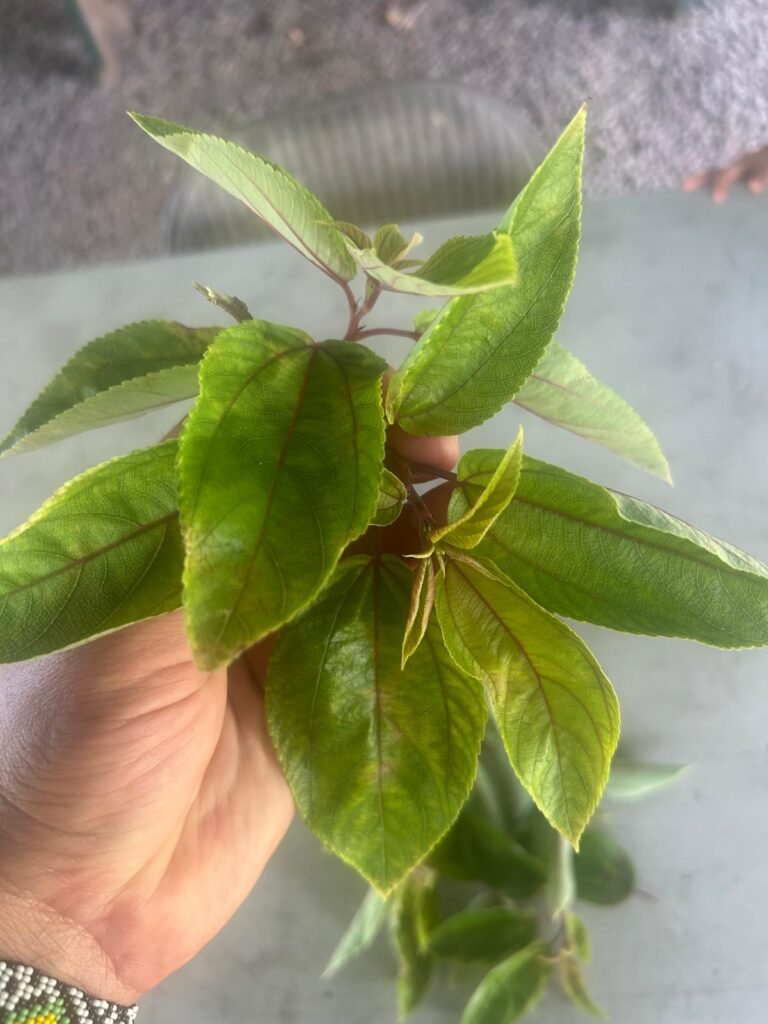
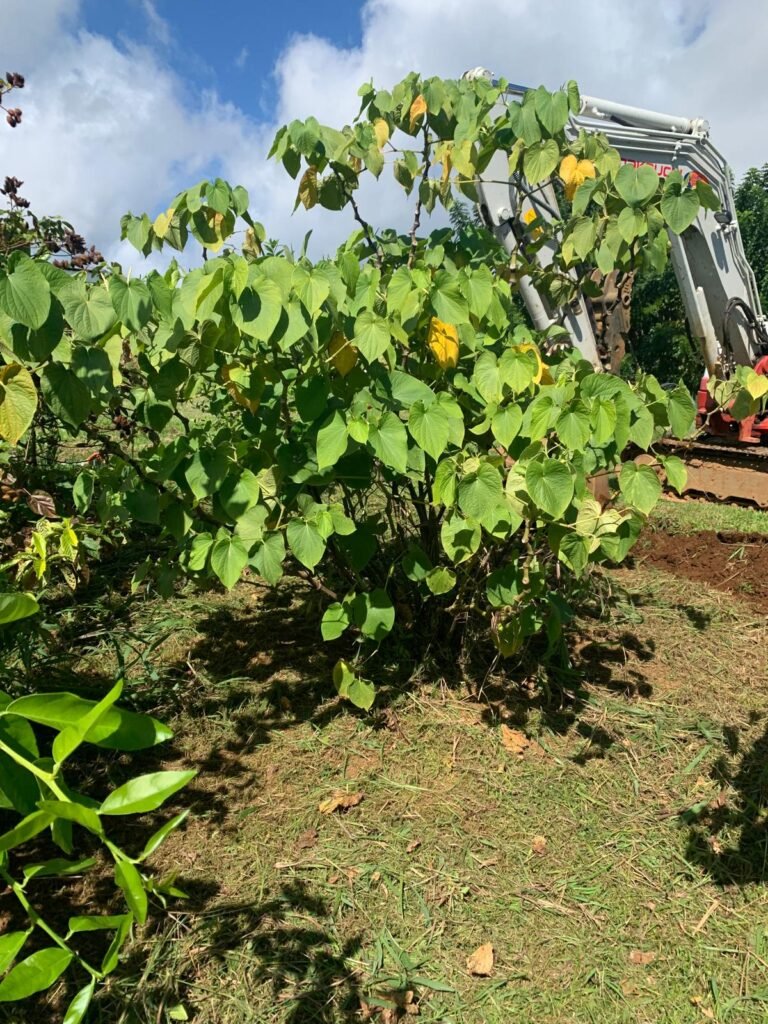
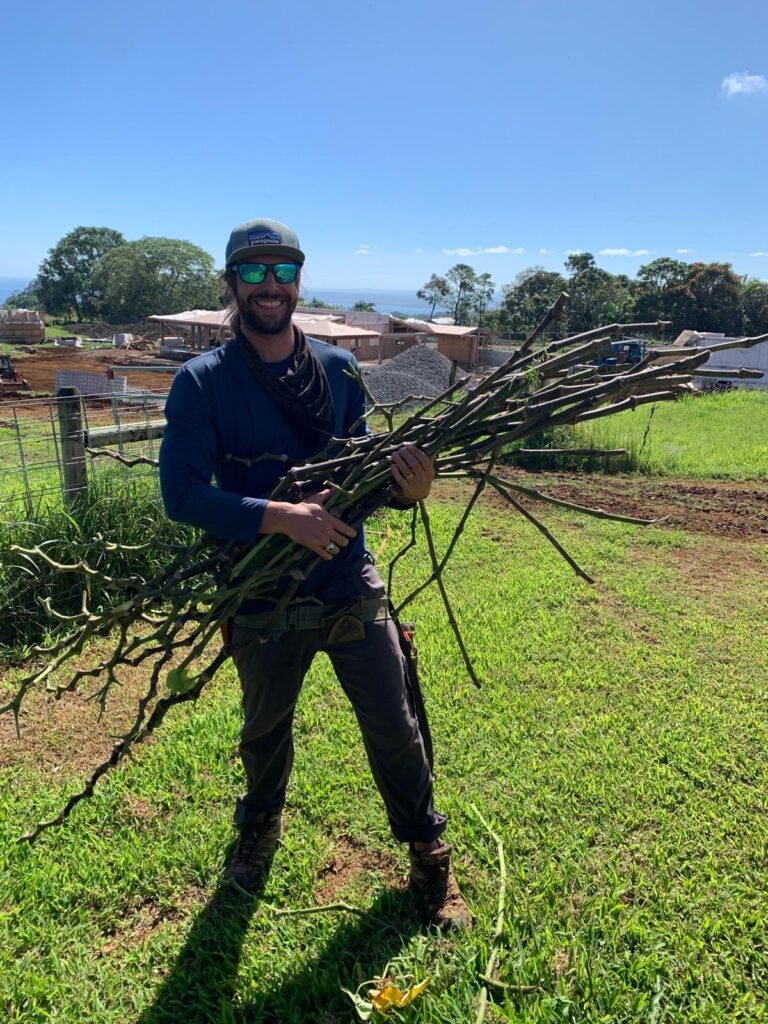
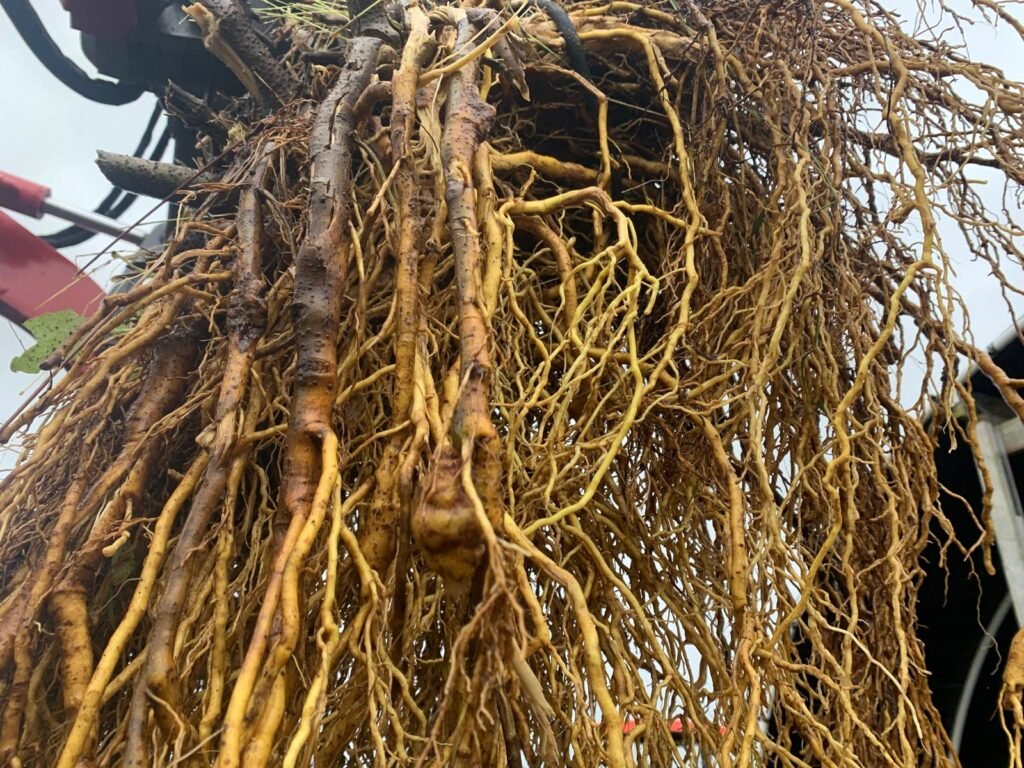
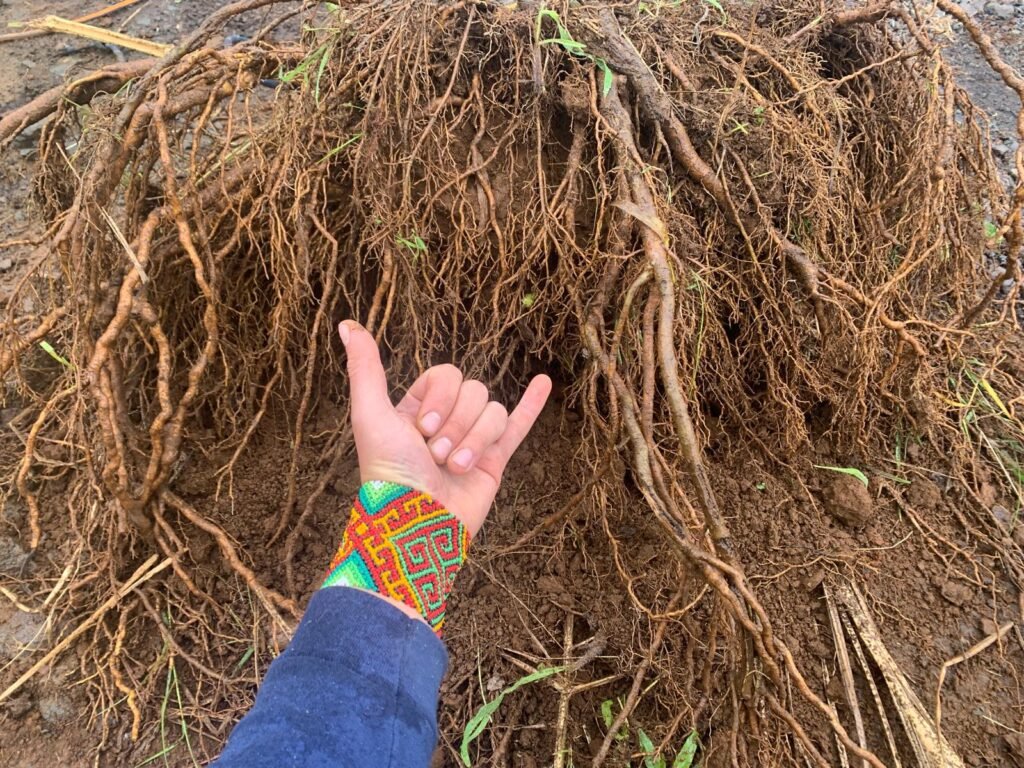
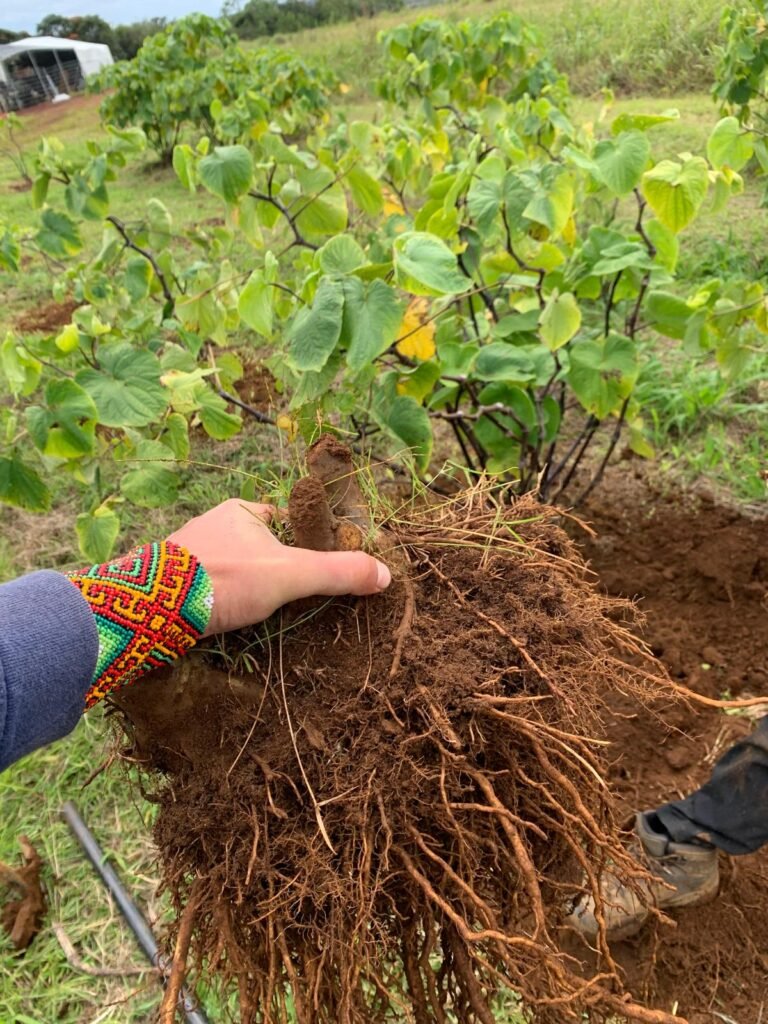
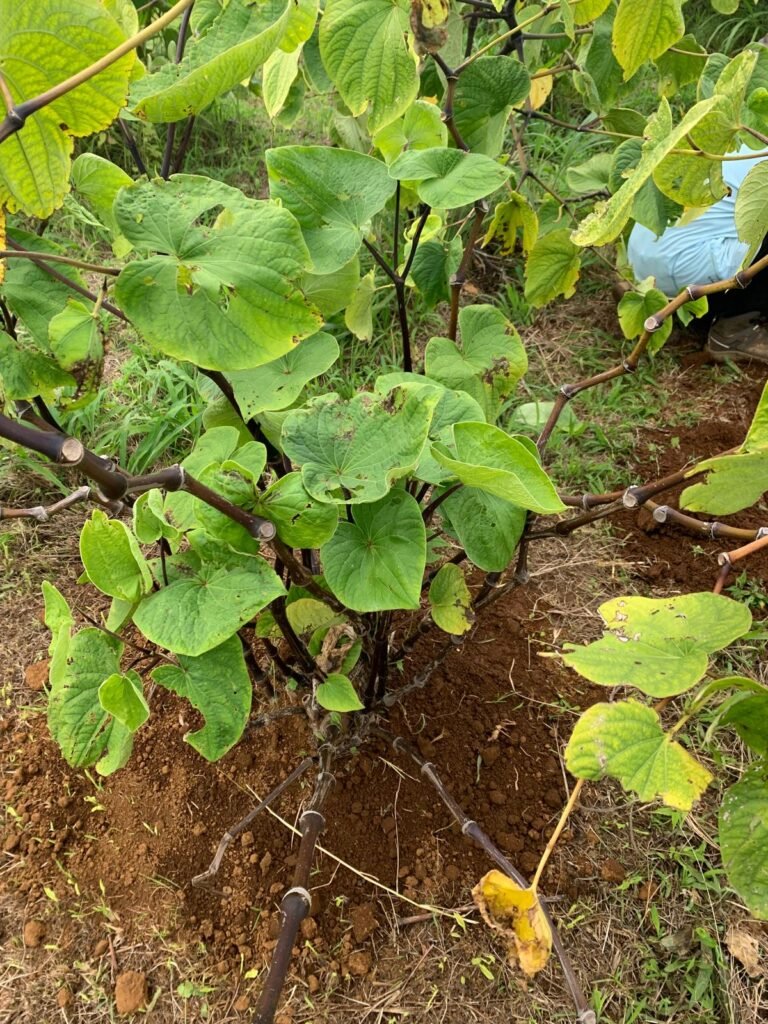
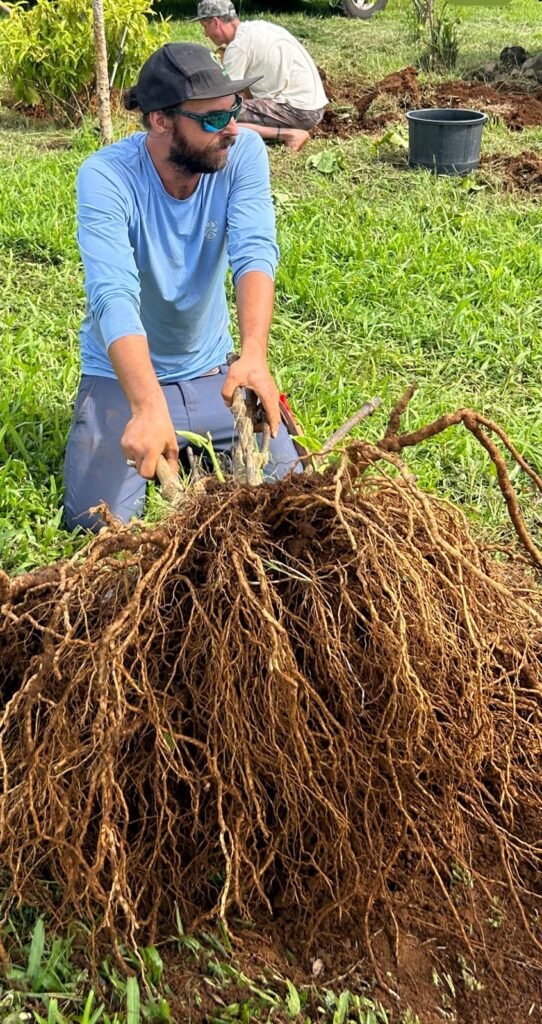
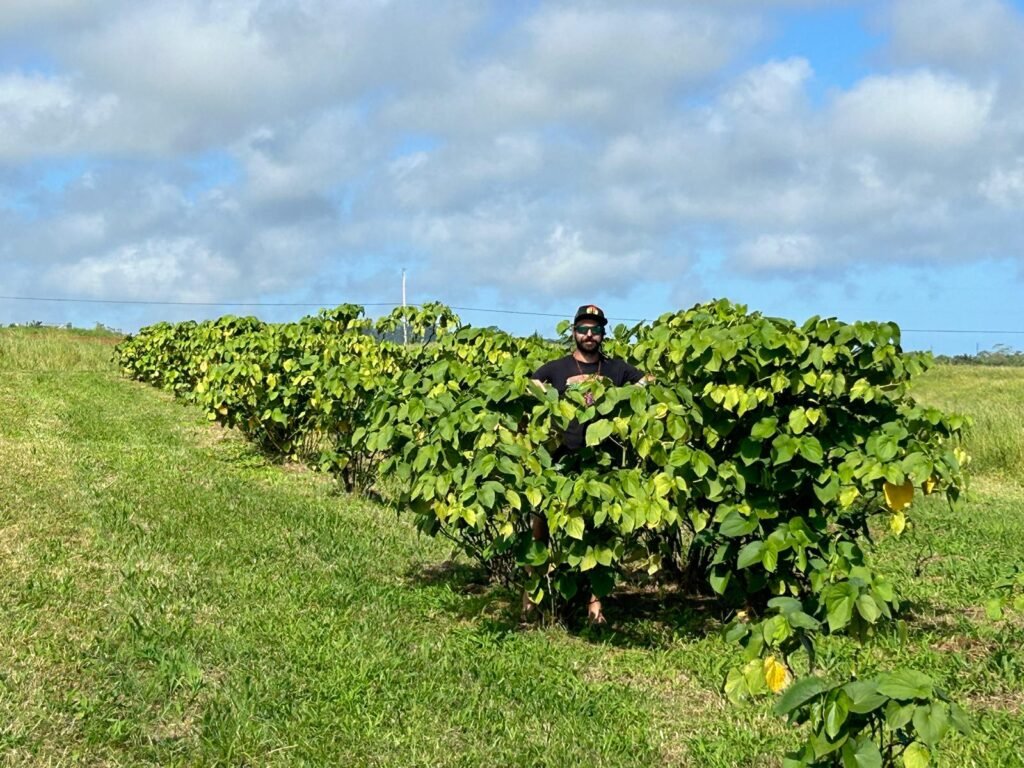
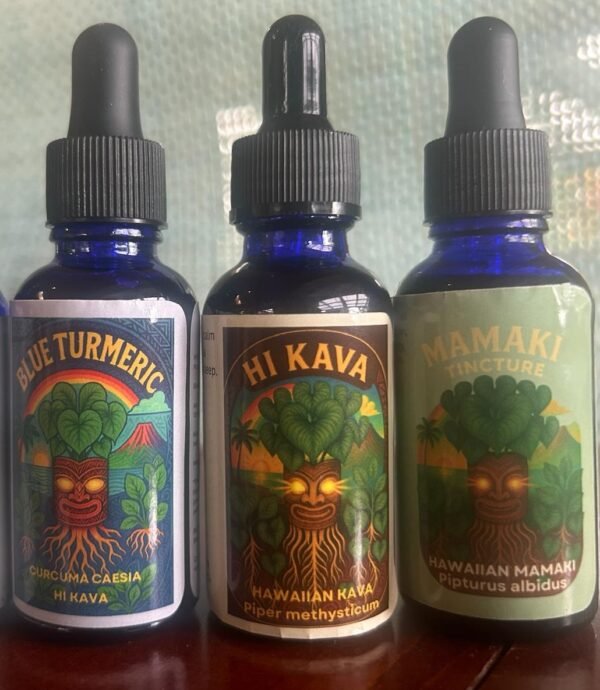
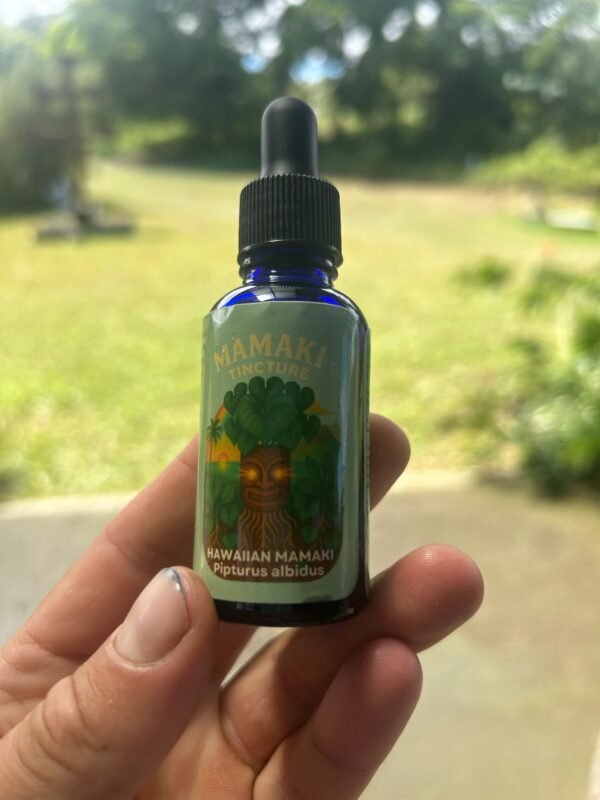
Native plants like mamaki thrive in diversified agroforestry gardens on Hawaiʻi’s Big Island. The farm employs permaculture and agroforestry techniques: dense polycultures under a multi-layered canopy. ʻAwa is planted in the understory of mixed forest gardens, shaded by fruit and timber trees, mirroring ancestral Hawaiian systems. This diversity creates habitat for wildlife, conserves moisture, and suppresses weeds naturally. All inputs are organic and regenerative: cover crops, nitrogen-fixing groundcovers, and indigenous microbes “bio-till” hardpan soil, building fertility without tilling or chemicals. Windbreaks of sturdy trees protect crops from high winds and erosion. In effect, the farm works with nature’s processes to increase yield and resilience – echoing permaculture wisdom across the Pacific.
Mālama ʻĀina Ethic
Every decision reflects aloha ʻāina – the Hawaiian ethos of caring for the land. Practices honor traditional ahupuaʻa wisdom: managing resources from mountain to sea for sustainability, equity, and community benefit.
Through these methods, HiKava regenerates degraded land and helps return it to the premier ecological agriculture system of ancient Hawaiʻi, which researchers note was far more productive than today’s farms despite no industrial inputs.
Cultural Heritage and Traditional Practices
HiKava’s ethos also centers on Hawaiian and Pacific cultural revival. It celebrates kava’s spiritual and social role: in Hawaiian society ʻawa symbolizes hospitality, unity, and healing. By cultivating only ceremonial-grade ʻawa from noble Hawaiian varieties, HiKava maintains these traditions. It actively supports lāʻau lapaʻau (traditional healing) by growing native medicinal plants and sharing knowledge about them. This honors the lāʻau lapaʻau legacy – outlawed under colonial rule and only revived in recent decades – recognizing that native plants are essential for both ecological and spiritual health. Staff and partners work with cultural practitioners and elders to preserve chants, medicinal practices, and conservation wisdom, ensuring that indigenous ecological knowledge (the wisdom of kūpuna) stays alive.
Canoe-Plant Legacy
HiKava honors ʻawa as one of the 27 canoe plants brought by Polynesian voyagers. Tying Hawaiʻi’s story into the wider Pacific, it helps teach how ancestors used kava alongside kalo and ʻulu to feed, heal, and build thriving communities across the islands.
Traditional Healing (Lāʻau Lapaʻau)
Native medicinal plants on the farm (ʻulena, ʻaʻaliʻi, etc.) support lāʻau lapaʻau practices. This deliberate cultivation of healing flora links back to kūpuna knowledge and reinforces that cultural health is rooted in ecological health.
Land-Is-Chief Philosophy
Every effort is guided by the Hawaiian proverb “He Aliʻi ka ʻāina, he kauwā ke kanaka” – “the land is chief, man is its servant.” This traditional dictum ensures humility and respect in operations: people work for the ʻāina, not the other way around.
Traditional Ecological Knowledge
The enterprise weaves traditional ecological knowledge into its model, echoing research that such indigenous wisdom underpins community resilience. By integrating cultural identity with stewardship, it aligns with findings that TEK is vital for adapting to environmental change in Hawaiʻi.
Community, Economy and Cooperatives
Beyond the farm, the mission strengthens the local economy and social fabric. HiKava partners with East Hawaiʻi’s family farms and growers to keep wealth in the community. It sources directly from local kava cooperatives and smallholders, paying fair prices that reflect the crop’s cultural value. This cooperative model is well-suited to Hawaiʻi’s 90% small-farm landscape. Experts note that without it, profits flow up to middlemen while growers see little return. Co-ops let farmers increase their equity and power by pooling harvests and marketing. Through such partnerships, revenues go back to farm families who practice crop rotation and agroforestry – enhancing both livelihoods and land health.
Empowering Local Farmers
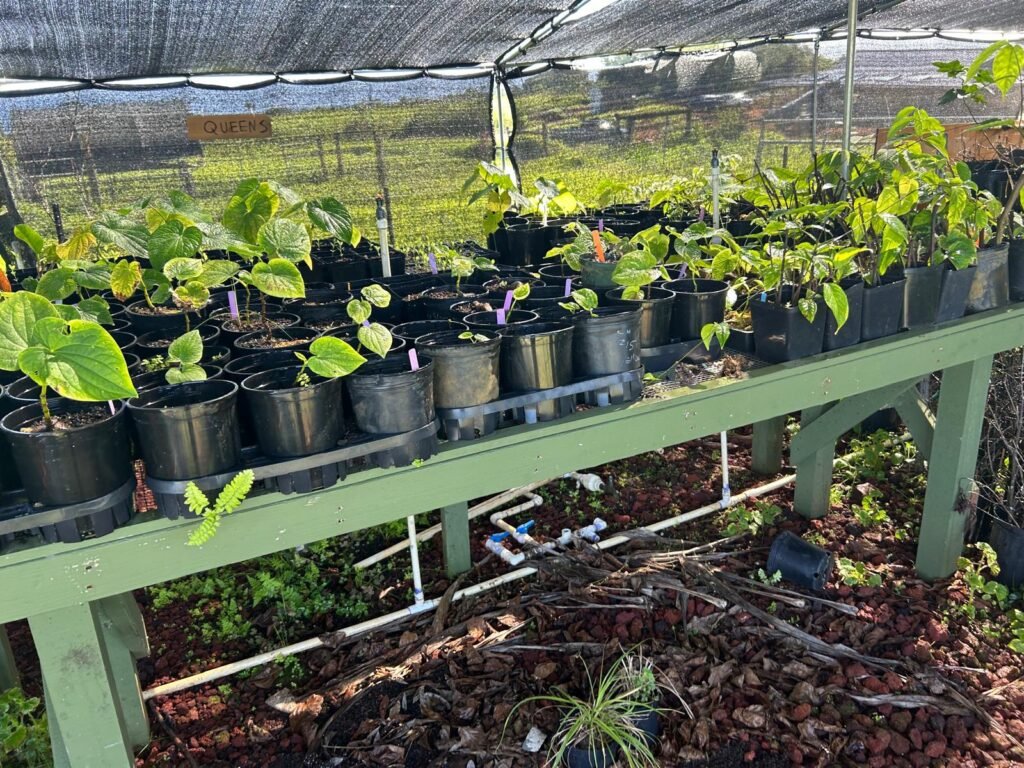
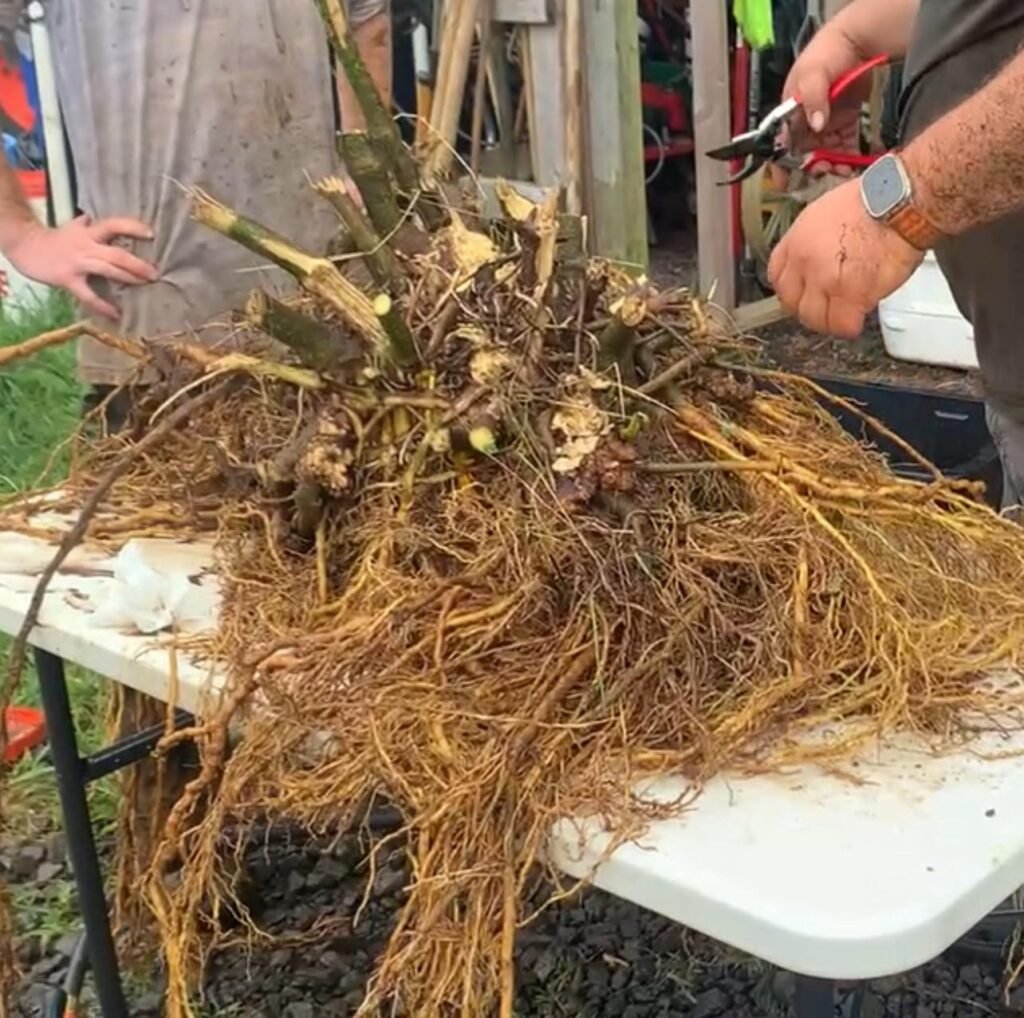
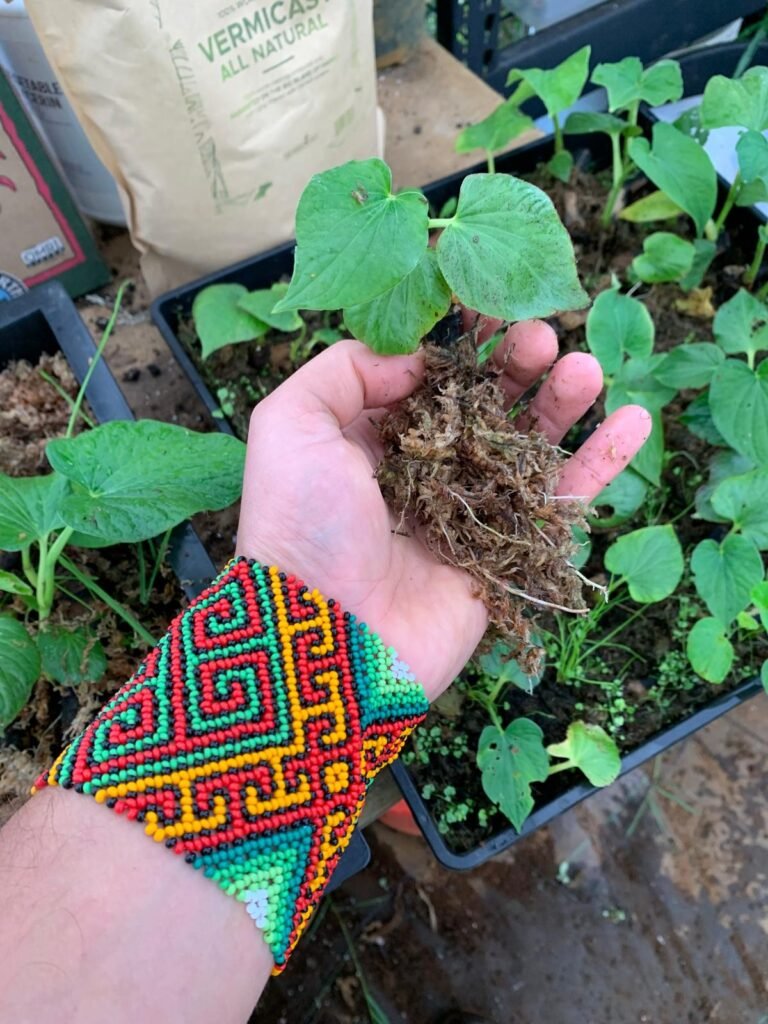
By working with a ceremonial-grade kava cooperative, HiKava helps growers invest in long-term sustainability. Cooperative members share cultivation tips, nurseries, and processing facilities, mirroring initiatives like the Hawaiʻi ʻUlu Cooperative that successfully revived breadfruit farming. The collective approach means farmers earn fairer prices and reinvest in regenerative techniques.
Food & Cultural Sovereignty
Reviving ʻawa cultivation contributes to Hawaiʻi’s self-sufficiency. Bringing back traditional crops like ʻawa is an opportunity to restore sovereignty and our ancestral connection to the land. HiKava helps heal plantation-era scars by emphasizing on-island production for local needs, echoing the community’s goal of feeding itself with culturally significant crops.
Sustainable Local Economy
Every sale is an act of stewardship. Keeping kava farming local reduces imports, recirculates money, and builds an economy attuned to place. By educating consumers about Hawaiian kava’s unique qualities and supporting markets (from farmer’s markets to cultural events), HiKava helps cultivate more knowledgeable farmers and drinkers – a cycle of respect and economic resilience.